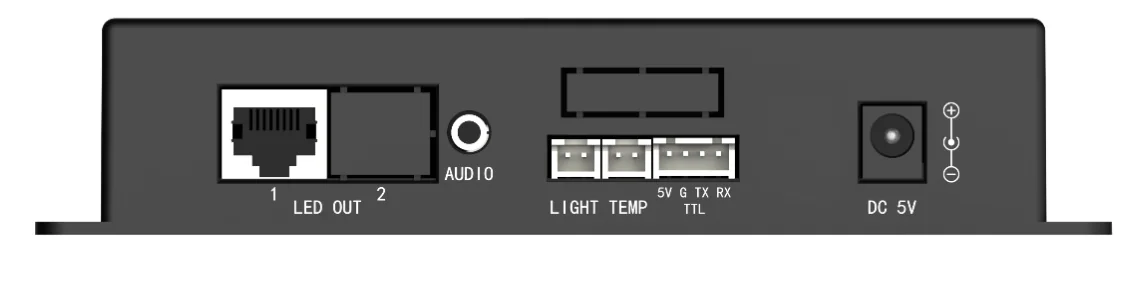
An LED display is not only made up of LED modules and cabinets. Behind every high-quality screen, a control system manages how images are transmitted, processed, and displayed. One of the most important components in this system is the LED card, which works as the communication bridge between video signals and LED modules.
For customers planning stage screens, commercial displays, rental LED walls, or creative visual installations, understanding different LED card types helps them select the right control solution. The main categories include sending cards, receiving cards, and integrated designs that combine multiple functions into one device.
A professional LED control solution from Kystar considers system stability, image quality, and installation efficiency when developing control products. Understanding how each card works allows users to build more reliable and better-performing LED display systems.
What Is a LED Card and Why Does It Matter?
A common question from LED display buyers is: What is a LED card? An LED card is an electronic control component used inside an LED display control system to manage image transmission and communication between the controller and LED modules.
The card receives, processes, or distributes digital image data so that each LED pixel can display the correct brightness and color. Without this component, the LED modules cannot correctly interpret video signals and create a complete image.
In a typical LED screen system, the control process begins with a video source, such as a computer, camera, or media server. The signal is processed by a controller and then delivered through the LED card system before reaching the display modules.
Different applications require different types of cards. A small indoor advertising screen may need a simple configuration, while a large outdoor stage display or XR virtual production wall requires advanced synchronization, grayscale control, and accurate image processing capabilities.
LED Sending Card: The Starting Point of Signal Transmission
The LED sending card is responsible for receiving video input signals from a source device and transmitting processed data to receiving components. It acts as the first communication point between the video source and the LED display.
In large-scale LED projects, the sending card manages how image information is divided and delivered to different areas of the screen. This ensures that multiple cabinets work together to create one complete image.
A high-performance sending card is especially important for applications requiring smooth video playback, high refresh rates, and accurate color reproduction. Live events, broadcast studios, and virtual production environments often depend on stable signal transmission to avoid delays or visual interruptions.
For complex installations, system designers usually evaluate factors such as input compatibility, output capacity, synchronization performance, and future expansion requirements before selecting a sending solution.
LED Receiving Card: Controlling LED Modules Directly
The receiving card is installed closer to the LED modules and performs the final stage of data conversion. It receives data from the sending system and converts it into signals that LED driver chips can recognize.
Unlike sending components that focus on signal distribution, receiving components directly control how individual LED modules display images. They are responsible for functions such as grayscale management, brightness adjustment, and precise pixel control.
Modern receiving cards often support advanced features that improve visual performance, including point-by-point correction, high grayscale display, and image optimization technologies. These functions are important for applications where image quality is critical, such as fine-pitch LED displays and professional visual environments.
When choosing a receiving solution, customers should consider LED module compatibility, loading capacity, control accuracy, and maintenance convenience. A suitable receiving design can significantly improve screen consistency and long-term reliability.
Integrated LED Card Solutions for Simplified Control
As LED display technology becomes more compact and intelligent, integrated solutions have become increasingly popular. An integrated LED card combines multiple control functions into a single device, reducing system complexity and simplifying installation.
These solutions are useful for projects where space, setup time, and operational efficiency are important. Rental LED displays, conference room screens, small commercial displays, and portable visual systems can benefit from fewer hardware components and easier configuration.
Kystar develops LED control products that support efficient system integration and help users achieve stable display performance. By combining control functions, integrated solutions can reduce wiring requirements while maintaining reliable image transmission.
However, integrated designs are not always the best choice for every project. Large-scale installations with complex signal routing may still require separate sending and receiving components to achieve maximum flexibility.
How to Choose the Right LED Card for a Project ?
Selecting the correct LED card depends on several factors, including screen size, application environment, resolution requirements, and control expectations.
For rental stages and live performances, users usually prioritize fast setup, reliable communication, and compatibility with different LED cabinets. For fixed commercial installations, long-term stability and easy maintenance may become more important.
Customers should also consider whether the system requires advanced functions such as HDR support, high refresh rates, low grayscale performance, or precise color calibration. These features directly influence the viewing experience, especially for close-distance applications.
Professional manufacturers provide different control options because every LED project has unique technical requirements. A properly matched control system can improve image quality, reduce troubleshooting time, and extend the service life of the display.
Choosing the Right LED Card for Better Visual Performance
An LED card is a fundamental part of any LED display control system. Whether it is a sending card, receiving card, or integrated solution, each type plays a specific role in ensuring accurate signal transmission and high-quality image output.
Understanding What is a LED card? helps buyers make better decisions when designing LED display solutions. The right choice depends on project requirements, display scale, installation conditions, and expected performance.
With experience in LED control technology, Kystar continues to provide solutions designed for professional visual applications. By selecting suitable control components, businesses and system integrators can create more reliable, efficient, and visually impressive LED display experiences.
