In the highly competitive landscape of global e-commerce and retail distribution, standard packaging often misses a critical opportunity for brand engagement. For procurement teams and third-party logistics (3PL) providers, transitioning from generic supplies to customized packaging serves as a tangible extension of a company’s corporate identity.
Furthermore, replacing bulky corrugated boxes with flexible shipping bags significantly reduces dimensional weight, optimizing freight costs across extensive distribution networks. Navigating this transition requires a structured approach to ensure the final product meets both visual expectations and rigorous industrial shipping demands. Working with an established suppliers like WH Packing streamlines this transformation, offering complete oversight of the manufacturing cycle from raw material procurement to final execution.
Understanding the step-by-step design process for printed poly mailers enables B2B buyers to optimize their packaging strategy, balance aesthetic appeal with functional durability, and maintain highly efficient procurement operations.
Establishing Visual Identity and Substrate Selection
The design process begins long before ink reaches the factory floor. Procurement and marketing teams generally align first on the visual elements—specifically vector logos, typography, and precise Pantone or CMYK color codes. Beyond the graphics, selecting the right base material is a critical design choice that dictates the bag’s performance and environmental impact. Modern manufacturing offers versatile options tailored to different corporate values and operational needs.
For instance, businesses targeting eco-conscious demographics, such as the Australian market, frequently specify fully biodegradable films or Global Recycled Standard (GRS) certified resins. A capable OEM provider can integrate either pre-consumer factory scrap or post-consumer recycled (PCR) materials into the substrate. This establishes a sustainable, structurally sound canvas for printed poly mailers without sacrificing the bag’s essential weather resistance or side-seam integrity.
Choosing the Right Industrial Printing Technology
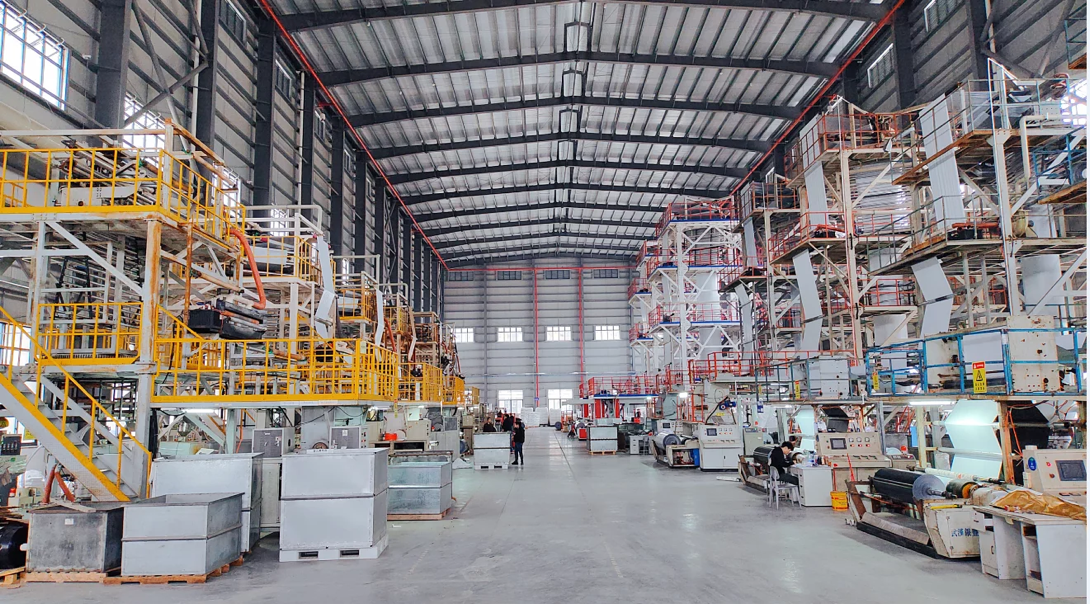
Once the artwork and materials are defined, selecting the appropriate printing technology dictates both the visual fidelity and the unit cost of the packaging. In B2B bulk manufacturing, two primary methodologies dominate the production floor: flexographic and rotogravure printing. Flexography utilizes flexible photopolymer relief plates and is highly efficient for high-volume runs requiring simple, bold graphics and solid background colors. Conversely, rotogravure printing employs engraved metal cylinders to transfer ink, making it the preferred method for highly complex designs, fine gradients, and multi-color continuous tone images.
An established manufacturer like WH Packing typically evaluates the client’s artwork complexity and volume requirements to recommend the most cost-effective printing method, ensuring the final corporate colors remain vibrant and resistant to scuffing during transit.
Engineering Functional Design Elements
Effective packaging design extends beyond surface-level aesthetics to encompass the physical functionality of the shipping bag. During the design phase, supply chain managers must determine the structural features that will best serve their fulfillment workflow and end-user experience. This might involve specifying multi-layer co-extrusion films to ensure total opacity for high-value retail goods, or utilizing transparent poly mailers for internal inventory routing where rapid visual inspection is required.
Furthermore, operational efficiency can be enhanced by incorporating a die-cut handle for retail-style distribution or adding bottom gussets to accommodate bulky apparel. Integrating these specific structural decisions into the initial blueprints for printed poly mailers ensures the resulting packaging performs reliably in automated sorting facilities while delivering a premium unboxing experience for the recipient.
Pre-Press Proofing and Quality Assurance
The transition from a digital design file to a physical product requires a meticulous pre-press and prototyping phase. Suppliers typically generate digital proofs to confirm logo placement, margin tolerances, and barcode scannability before committing to physical printing plates. In industrial manufacturing, color matching is carefully scrutinized to maintain brand consistency across different production batches. With 15 years of specialized experience in courier bag production, WH Packing utilizes strict in-house quality control systems supported by ISO certification protocols.
During this phase, physical prototypes undergo rigorous internal testing for parameters such as tear resistance, tensile durability, and ink adhesion, verifying that the finished product can easily withstand the demanding conditions of global freight networks.
Elevating Corporate Supply Chains Through Custom Packaging
Transitioning to bespoke shipping materials represents a strategic investment in brand visibility and operational professionalism. By methodically addressing material selection, printing technology, and functional engineering, enterprise buyers can develop packaging solutions that actively support their market positioning. Partnering with a vertically integrated supplier that directly manages the entire process—from sourcing raw resins to final quality inspection—mitigates production risks and ensures reliable delivery schedules. Ultimately, thoughtfully designed printed poly mailers do much more than simply protect transit goods; they transform routine deliveries into impactful brand touchpoints, fostering trust and widespread recognition across the broader supply chain ecosystem.
