Fingerstick testing can depend on conditions that exist before the puncture ever takes place. Skin temperature, cleanliness, moisture, circulation, and even the way the hand is positioned may influence how easily capillary blood can be obtained. Safety blood lancet procedures therefore involve more than selecting the puncture device; proper hand preparation can contribute to a smoother and more consistent sampling experience.
These details become especially relevant during repeated blood glucose monitoring, where the same basic procedure may be performed several times each day. Preparation, technique, and device design all shape routine capillary testing, as SteriLance’s devices demonstrate.
Why Hand Condition Matters Before Puncture
Peripheral circulation can affect the availability of capillary blood at the fingertip. Cold hands, for example, may make blood collection more difficult because reduced circulation can limit the amount of blood readily available near the skin surface.
Gentle warming may help create more favorable conditions before testing. Rubbing the hands together or allowing them to reach a comfortable temperature can be considered when the fingers feel unusually cold, provided that the relevant testing instructions permit it.
Cleanliness is equally important. The selected fingertip should be prepared according to the applicable testing protocol, while excessive moisture should be avoided because it can interfere with the collection process or dilute the specimen.
Preparing The Sampling Site
Handwashing offers a practical starting point for routine self-testing. Clean hands reduce the presence of substances on the skin that could interfere with the testing process, particularly during blood glucose monitoring.
Drying the hands thoroughly deserves equal attention. Residual water can affect the fingertip surface and may complicate specimen collection. A clean, dry site provides a more suitable condition for the puncture procedure.
The selected finger also benefits from thoughtful preparation. Repeatedly using the same exact location can make routine testing uncomfortable over time. Rotation among suitable areas, according to the relevant testing guidance, may help distribute repeated punctures more evenly.
Connecting Preparation With Device Design
Hand preparation cannot compensate for every device-related consideration. Needle gauge, puncture depth, activation mechanism, and housing design can all influence the interaction between the device and the fingertip. Users therefore need to consider both personal technique and the specifications of the selected model.
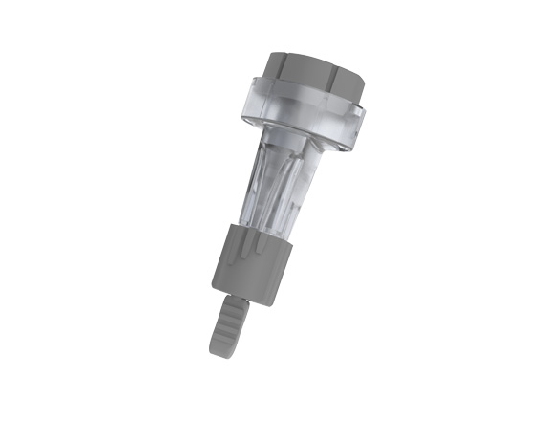
The Disposable Safety Lancet (Elite Pro model) combines a rear-button activation design with T-shaped grip pads intended to provide additional control. Adjustable puncture-depth options allow sampling to be adapted to different fingertip conditions, while the model is designed to support personalized, low-pain blood collection for diabetic individuals testing at home.
Such features illustrate why preparation and equipment should be viewed together. Stable hand positioning gives the device a consistent sampling surface, while suitable depth selection can account for differences in fingertip characteristics. Safety blood lancet use becomes more predictable when these factors are considered as parts of one procedure rather than isolated steps.
Technique Can Influence Comfort
Pressure applied during fingerstick testing should remain controlled. Excessive squeezing may increase discomfort and can affect the way blood enters the collection process, while insufficient stimulation may make it harder to obtain the desired sample.
Finger positioning has a similar effect on user comfort. Keeping the hand relaxed and supporting the finger appropriately can reduce unnecessary movement during puncture. Clear preparation also gives the user time to identify the intended sampling site before activation.
Repeated testing makes these considerations more noticeable. Someone performing daily glucose monitoring may become sensitive to differences in puncture location, pressure, and device handling that might seem insignificant during occasional testing. Consistent preparation can therefore become part of a sustainable testing routine.
Building Better Self-Monitoring Habits
Routine blood glucose testing works best when each stage follows a familiar sequence. Hand preparation, site selection, device activation, sample collection, measurement, and sharps disposal each have a defined role.
Good habits should remain simple enough to follow consistently. Excessive manipulation of the fingertip or repeated attempts at the same puncture site can make the process unnecessarily complicated. Following the device instructions and the applicable glucose-testing procedure provides a clearer framework.
Patient comfort should also remain part of the evaluation. Safety blood lancet selection is not limited to technical specifications; the interaction between device design, skin condition, puncture depth, and personal testing habits can shape the overall experience.
Conclusion
Hand preparation may occupy only a short portion of a fingerstick routine, yet its influence can extend across sample collection, comfort, and testing consistency. Warmth, cleanliness, dryness, site selection, and controlled positioning establish conditions that allow the puncture procedure to proceed with fewer avoidable complications.
Device characteristics then add another layer, particularly when users can adjust puncture depth according to individual fingertip conditions. A safety blood lancet is only one part of a well-prepared sampling routine. SteriLance’s capillary blood collection solutions are designed around practical testing habits for everyday blood glucose monitoring.
Disclaimer: This content is provided for general health education and informational purposes only. It does not constitute medical advice, diagnosis, or treatment. Individual health conditions vary, and no health education article can replace a face-to-face consultation with a qualified healthcare professional or licensed medical institution. If you have specific health concerns or feel unwell, please seek care from a licensed medical facility and do not delay treatment because of content on this platform.
