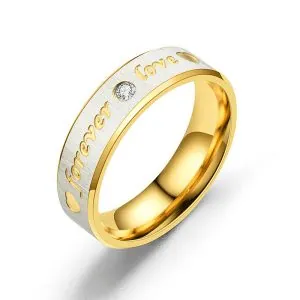
Drafting a precise sourcing document serves as the foundation for a successful manufacturing partnership. When global brands look to source fashion accessories, a vague inquiry often leads to inaccurate pricing, delayed timelines, and misaligned quality expectations. A well-structured Request for Quotation clearly outlines design dimensions, material grades, and compliance requirements from the very first interaction. Providing detailed technical specifications enables commercial factories to accurately assess project feasibility and calculate realistic unit costs, paving the way for a smooth product development cycle.
Specifying Technical Design and Material Standards
Clear material definitions protect a brand from receiving substandard product samples that fail consumer safety tests. The document must explicitly state the exact grade of metal required, such as marine-grade or surgical-grade alloys, along with precise plating methods like physical vapor deposition. Sharing a detailed technical drawing or a 3D CAD file allows a specialized stainless steel jewelry manufacturer to analyze the structural viability of the design. Detailing tolerances, edge finishes, and functional components like clasps or bails ensures that the initial quote reflects the actual cost of production.
Outlining Customization Options and Packaging Requirements
Distinct branding requires clear communication regarding custom logos, engravings, and unique packaging configurations. The procurement files should specify whether logos should be laser-engraved, stamped, or etched, alongside precise dimensional requirements for placement. Experienced custom stainless steel jewelry manufacturers utilize these details to allocate specific tooling and machinery, preventing unexpected surcharges later in the development process. Furthermore, defining retail-ready packaging specifications or bulk shipment protective layers allows the factory to calculate accurate dimensional weight and logistical packaging costs upfront.
Establishing Production Volumes and Quality Control Systems
Volume expectations dictate the specific manufacturing processes a factory will utilize to execute an order. A thorough procurement brief includes realistic initial order quantities along with estimated annual volumes, allowing the facility to optimize their machinery setup and raw material procurement. Buyers must request detailed information regarding the supplier’s internal inspection procedures, including raw material verification and final defect standard checks. Aligning with a facility that operates structured quality systems guarantees that mass-produced pieces maintain strict cosmetic and structural consistency from the first batch to the last.
A comprehensive procurement document eliminates ambiguity and builds a reliable framework for international supply chain operations. For businesses seeking a manufacturing partner capable of translating complex design briefs into flawless physical products, Star Harvest offers extensive production capacity, rigorous testing systems, and specialized B2B customization services to ensure every mass-manufactured collection meets strict commercial standards.
