Environmental value in a writing device depends on repeated use, not on a single claim about saving paper. An e ink notepad can reduce waste when it replaces notebooks used for meeting minutes, classroom exercises, reading marks, planning sheets, and draft reviews. An e ink writing tablet can also limit short-lived printing when people check documents digitally before making final decisions.
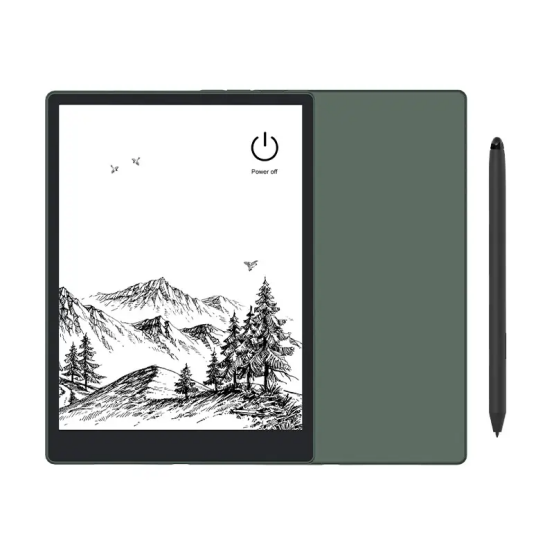
SEEKINK’s H82NPL official product information gives this topic a concrete base: the device uses an 8.2-inch e-paper display, 1440 x 1920 resolution, 292 PPI, electromagnetic handwriting, 4096 pressure levels, multi-touch control, Wi-Fi, Bluetooth, a 3000 mAh battery, a microphone, magnetic wake and sleep behavior, Type-C charging, and dual-color temperature front light with 24 brightness levels.
These features matter because waste reduction is more realistic when the tool is comfortable enough to remain in daily use. It is also important that the device encourages consistent digital habits rather than becoming an occasional accessory, because environmental value grows only when the same screen replaces many small paper tasks over months of use.
Reusable Notes for Daily Workflows
The first sustainability benefit comes from ordinary writing repetition. An e ink notepad can hold rough ideas, task lists, meeting outlines, study summaries, and handwritten reminders without requiring a fresh pad for each cycle. The H82NPL’s pressure-sensitive writing system supports free marking, so the device is not limited to typed text or fixed forms.
In a classroom, a student may draft answers, erase them, and begin again on the same surface. In an office, a worker may record action items during a meeting and revise them later without tearing out pages. This does not remove every paper requirement, because contracts, official records, and some visual materials may still need print.
However, a reusable surface can reduce the volume of disposable notes that normally accumulate in drawers, folders, and bins. The environmental effect becomes stronger when users form a habit of starting temporary writing on the tablet rather than on paper.
In this setting, the device can also help reduce clutter because rough pages do not need to be filed, stacked, moved between rooms, or thrown away after a project changes direction.
Document Review Without Routine Printing
A second benefit appears when reading and annotation move away from temporary printouts. An e ink writing tablet can present documents, support marking, and keep a paper-like reading surface while avoiding stacks of single-use review copies. SEEKINK lists support for text, e-book, office document, spreadsheet, presentation, web, and image formats, which broadens the range of materials that can be checked on the screen.
The 8.2-inch display is smaller than a desktop monitor but more portable than a laptop, making it useful for travel, desk review, and study sessions. Its dual-color front light can assist reading in different lighting conditions, while e-paper remains suited to static text rather than constant animation. When review comments, sketches, and reading marks stay digital, fewer draft packets need to be printed for short-term use.
That is a practical source of paper reduction rather than a decorative environmental message. For teams that circulate early drafts, the ability to mark and reread files on one device can also shorten the chain of printing, signing, collecting, and recycling temporary copies.
Lower-Power Use and Longer Service Habits
Energy behavior also influences environmental value, although it should be described carefully. An e ink notepad does not refresh like a video screen for every moment of viewing; it is especially efficient for static pages, notes, and reading materials. The H82NPL’s 3000 mAh battery, Type-C charging, Wi-Fi, Bluetooth, and storage options support daily work without making charging the center of the experience.
Durability and continued use are just as important as low power behavior. If a device is difficult to write on, too limited in file support, or uncomfortable to read, it may sit unused while paper habits return. SEEKINK’s official details about handwriting, display clarity, front light control, and format compatibility are therefore relevant to sustainability because they affect whether people keep using the same tool.
A responsible buyer should consider whether the work routine includes enough reusable notes and document review to justify the device over time. Buyers should also consider how many people will share the tool, how notes will be exported, and whether charging and storage practices will encourage the device to stay active in daily work.
The eco-friendly benefit of e-paper writing is strongest when the device replaces real paper activity in a steady way. A well-matched e ink writing tablet can reduce disposable notes, lessen routine printing, and support more organized digital review.
A SEEKINK e ink notepad such as the H82NPL should not be presented as eliminating all office or study paper, but it can help users move repeated writing and review tasks onto one reusable surface. The result is a measured environmental advantage based on everyday behavior, product usability, and a realistic understanding of where paper is still necessary.
A practical rollout should focus on tasks that repeatedly consume paper, since those routines create the clearest opportunity for reduction.
