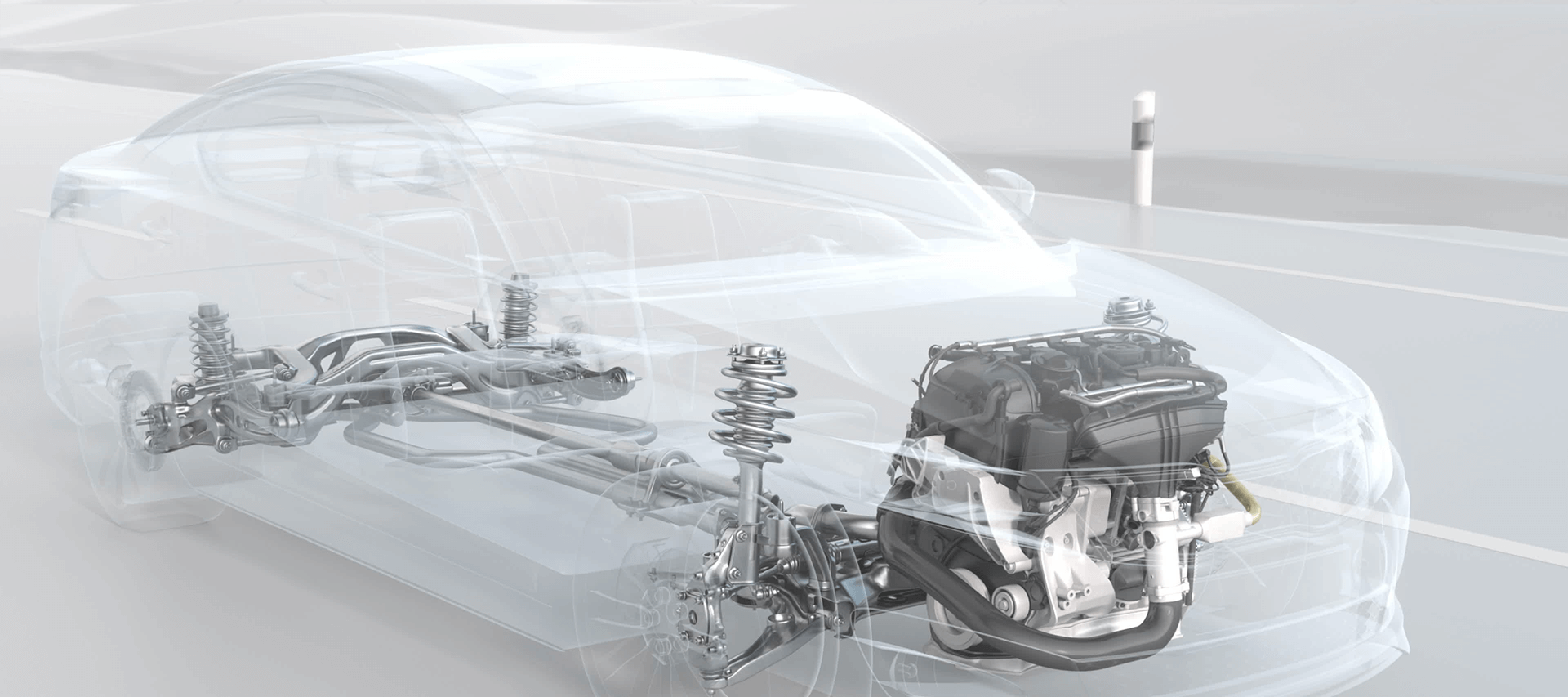
Fleet operators are under growing pressure to improve operating efficiency while controlling energy, maintenance, and vehicle replacement costs. Electrification offers a practical path for many commercial applications, but scaling an electric fleet requires more than purchasing battery-powered vehicles. Route patterns, charging infrastructure, vehicle utilization, service support, and powertrain capabilities all influence the business case. As a result, choosing the right commercial vehicle manufacturers has become an increasingly strategic decision for fleet managers.
Why Fleet Scaling Requires More Than Vehicle Procurement
A small electric fleet can often be managed with relatively simple charging arrangements. Scaling to dozens or hundreds of vehicles introduces a different level of complexity. Fleet operators must consider when vehicles return to base, how much energy each route requires, and whether multiple vehicles will need charging simultaneously.
The U.S. Department of Energy notes that fleet electrification requires operators to understand charging requirements alongside daily vehicle operations. Larger fleets may also face increased electricity demand, demand charges, and infrastructure constraints if charging is not coordinated effectively.
This makes vehicle selection inseparable from infrastructure planning. A suitable commercial EV should match the fleet’s route length, payload requirements, duty cycle, charging opportunities, and operational schedule rather than simply offering an attractive purchase price.
Evaluating Electric Commercial Vehicle Manufacturers for Fleet Growth
For businesses evaluating electric commercial vehicle manufacturers, powertrain capability should be one of the first considerations. Electric propulsion can provide lower operating and maintenance costs compared with conventional vehicles, although the actual financial result depends on vehicle use, electricity prices, charging infrastructure, and acquisition costs.
Manufacturers with broader powertrain expertise can offer additional flexibility as fleet requirements change. Wuling Motors Holdings and its subsidiaries have capabilities spanning automotive power systems and commercial vehicles, including new-energy applications. Its Hong Kong vehicle portfolio includes electric commercial models such as the G050 BEV van, G050P BEV truck, G100-R BEV van, and 100P-R BEV truck..
That breadth can matter for businesses operating mixed fleets. Not every route is ready for full electrification, so a manufacturer capable of supporting different propulsion strategies can give fleet planners more options as their transition develops.
Charging Strategy Must Scale with Vehicle Deployment
Charging is one of the most important operational factors when scaling an electric commercial fleet. Simply installing more chargers may not be the most economical solution. Operators need to examine vehicle arrival times, departure schedules, electricity tariffs, available site capacity, and simultaneous charging demand.
The Department of Energy recommends considering managed charging to avoid unnecessary peak demand and electricity costs. Charging can be scheduled around operational requirements and, where possible, lower-cost periods.
For fleet buyers, this creates an important procurement question: can the selected vehicle work effectively with the planned charging equipment and charging-management strategy? Vehicle range, charging characteristics, energy consumption, and daily utilization should therefore be assessed together rather than as separate purchasing criteria.
Building a Broader Commercial Vehicle Ecosystem
Fleet scaling also depends on what happens after vehicles enter service. Maintenance planning, technical support, replacement parts, battery management, and data collection all affect vehicle availability and long-term operating performance.
Wuling’s dedicated new-energy after-sales service commitment and battery-recycling information, while its vehicle platform spans multiple commercial and passenger applications. For professional fleet buyers, this broader support structure can be relevant when evaluating suppliers for long-term deployment rather than one-time vehicle purchases.
Wuling also presents itself as a vehicle company focused on supporting users’ business activities, while its broader automotive capabilities include components and powertrain systems. Its component products serve more than 40 automobile manufacturers, while its power systems reach more than 10 million terminal clients.
Using Powertrain Expertise to Support Different Fleet Needs
Commercial fleets rarely operate under identical conditions. Urban delivery vehicles may complete frequent stop-and-start routes, while service fleets can follow fixed daily schedules. Specialized vehicles may have different payload, operating-hour, and energy requirements.
This is where powertrain expertise becomes particularly valuable. Wuling’s capabilities cover internal-combustion, hybrid, and pure-electric automotive powertrain solutions, allowing fleet planners to consider different technologies according to actual operating requirements.
The U.S. Department of Energy also identifies local routes with frequent stops and starts as applications where electric vehicles can be particularly suitable. At the same time, operators should account for upfront costs, charging time, range, and temperature-related effects on battery performance.
Measuring the Business Case Before Scaling
A successful fleet transition should be measured through operational data rather than vehicle count alone. Businesses can evaluate energy consumption, charging costs, maintenance expenses, vehicle utilization, route completion, and downtime over time.
Telematics can strengthen this process. The Department of Energy recommends tracking vehicle-level charging information such as charging time, location, state of charge, and electricity consumed. Such data can help fleet managers understand actual energy requirements and refine charging strategies.
For manufacturers and fleet operators alike, this data-driven approach can make subsequent vehicle purchases more precise. Instead of electrifying an entire fleet at once, businesses can identify the routes and applications where electric vehicles deliver the strongest operational fit, then scale progressively.
Moving Toward Scalable Fleet Electrification
The transition to electric commercial fleets is ultimately an operational transformation rather than a simple vehicle replacement project. Businesses need vehicles that fit their routes, charging systems that fit their schedules, and manufacturers that can support changing powertrain requirements.
Electric commercial vehicle manufacturers such as Wuling Motors demonstrate how vehicle, component, and powertrain capabilities can intersect within a broader mobility ecosystem. With experience across conventional, hybrid, and pure-electric technologies, Wuling provides fleet planners with multiple pathways as commercial transportation becomes increasingly electrified.
For companies preparing to scale, a practical strategy is therefore to evaluate the complete operating system: vehicle capability, powertrain technology, charging infrastructure, service support, and total cost of ownership. That integrated approach can help businesses expand electric fleets while keeping operational reliability and long-term economics firmly at the center of procurement decisions.
