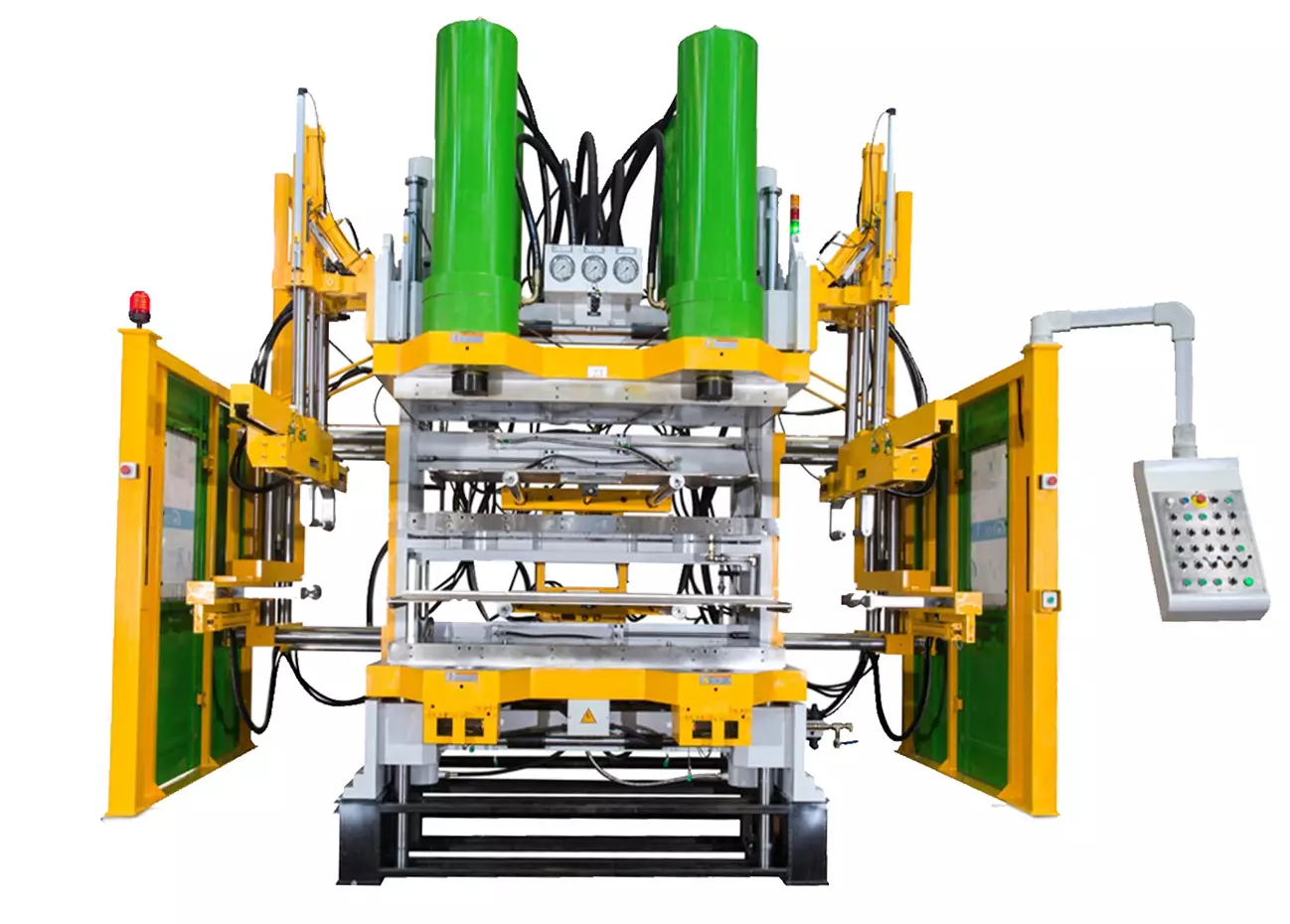
Exporting heavy rubber-processing equipment involves more than arranging freight and customs documents. The machine must fit the destination market’s safety, electrical, documentation, and workplace requirements. A buyer assessing a rubber belt vulcanizing machine should therefore define the applicable market, intended use, installation environment, and required conformity assessment route before the technical specification is finalized.
No single certificate automatically covers every country or project. Requirements can differ by voltage, guarding practice, pressure equipment rules, local inspection, and customer policy. A disciplined B2B purchase treats compliance as a documented engineering workstream that runs beside design review, factory acceptance testing, shipment preparation, installation, and operator training.
Establish the Destination-Market Compliance Scope
The first task is to identify mandatory regulations and contractual standards for the installation country. A belt vulcanizing machine may require electrical conformity, mechanical risk controls, emergency stopping, guarding, labeling, and technical documentation. The importer, end user, and supplier should assign responsibility for each deliverable rather than assuming that a general export statement is sufficient.
European projects commonly ask whether CE-related requirements are addressed, while other markets may rely on different national schemes or plant standards. Even when a supplier holds corporate certifications, the purchased machine still needs project-specific compliance evidence. A compliance matrix can map every requirement to drawings, component records, calculations, tests, manuals, and declarations.
Language and document control are part of the same scope. Operators need clear safety instructions, maintenance procedures, warning labels, hydraulic diagrams, electrical schematics, spare-parts lists, and troubleshooting guidance in the agreed language. Revision numbers should match the delivered configuration so that site personnel do not work from preliminary files.
Commercial teams benefit from resolving these points before order placement. Late changes to guards, control panels, motors, or documentation can affect price and delivery. Early agreement also prevents a machine from arriving at the site before the importer has the records needed for clearance, inspection, or commissioning.
Local authorities and the end user’s insurer may add requirements beyond national law. Their expectations should be captured during bid evaluation, not after shipment. Written clarification protects all parties when a requested option is customary in one market but unfamiliar to a supplier in another.
Verify Technical Parameters and Safety Functions
HWAYI publishes six HYL models with clamping forces from 1,000 to 9,000 kN and a listed system pressure of 21 MPa. These figures help define the scope of the hydraulic and structural review. A buyer needs to confirm that protective measures, component ratings, and test procedures correspond to the selected model rather than relying on a generic family description.
Physical specifications matter because safe access and guarding depend on machine geometry. Top platen range from 950 x 600 mm to 2,250 x 1,050 mm, platen spacing reaches 500-900 mm, and closing strokes range from 400 to 720 mm. Layout drawings need to show operating zones, maintenance clearance, loading paths, and interfaces with auxiliary equipment.
Functional verification normally covers emergency stops, interlocks, pressure control, temperature control, alarm handling, safe restart behavior, and loss-of-power response. Factory acceptance testing should record the result of each check. Any options requested for the destination market should appear in the final bill of materials and as-built documentation.
Electrical compatibility also requires precision. Supply voltage, frequency, short-circuit protection, enclosure rating, cable standards, earthing, and control voltage should be agreed in writing. The selected rubber belt vulcanizing machine must arrive configured for the actual plant infrastructure, not merely for a broadly described regional market.
Safety-related software and parameters need controlled verification as well. The acceptance plan needs to include access levels, password policy, diagnostic modes, and modification records. A compliant physical guard can be undermined if control logic allows hazardous movement during setup or recovery.
Control Export Documentation Through Commissioning
An automatic line may include iron core winding, track preforming, vulcanization, and an automatic trail car. When these elements operate together, conformity review must cover their interfaces as well as the individual machines. Transfer zones, shared controls, emergency-stop circuits, and responsibility for integrated guarding should be defined as part of the complete system.
Packing and shipping records support both protection and traceability. Critical components may need moisture control, transport locks, lifting instructions, center-of-gravity markings, and inspection on arrival. Serial numbers need to link the shipped equipment with certificates, drawings, manuals, test reports, and the spare-parts package.
At the plant, commissioning confirms that the installed belt vulcanizing machine matches the approved design. Site acceptance should check utilities, foundations, alignment, safety devices, mold movement, temperature response, hydraulic behavior, and production trials. Training records and signed acceptance documents create a clear transition from supplier responsibility to routine operation.
Ongoing compliance depends on disciplined change management after handover. Replacement components, program edits, guarding changes, and new molds require review for their effect on the original assessment. Maintenance records help the owner demonstrate that protective functions remain available throughout the machine’s service life.
HWAYI can be evaluated most effectively through complete, model-specific evidence rather than promotional wording. Export readiness is demonstrated when technical parameters, risk controls, documentation, testing, shipment, and commissioning form one traceable package. That approach supports regulatory review and gives industrial buyers a more reliable basis for long-term operation and maintenance.
