Recent fire incidents at battery storage facilities have triggered a sharp reassessment across the insurance industry. Underwriters are now applying stricter scrutiny to utility-scale energy storage systems, with premium increases ranging from 30% to over 100% in some regions. For asset owners and developers, understanding how safety engineering directly impacts insurance costs has become a financial imperative. The market is no longer simply asking about megawatt-hours—it demands proven risk mitigation.
Why Fire Events Reshape Underwriting Models
Each major fire at a utility-scale battery storage site creates ripple effects throughout the insurance market. Claims history drives actuarial models, and a single large incident can reclassify an entire technology category as higher risk. Insurers now require detailed thermal runaway prevention plans, certified fire suppression systems, and real-time monitoring protocols. Utility-scale energy storage systems without multi-layered safety features face either prohibitive premiums or outright coverage denial. The trend is clear: safety engineering directly determines insurability.
Reducing Risk Through Advanced Technology
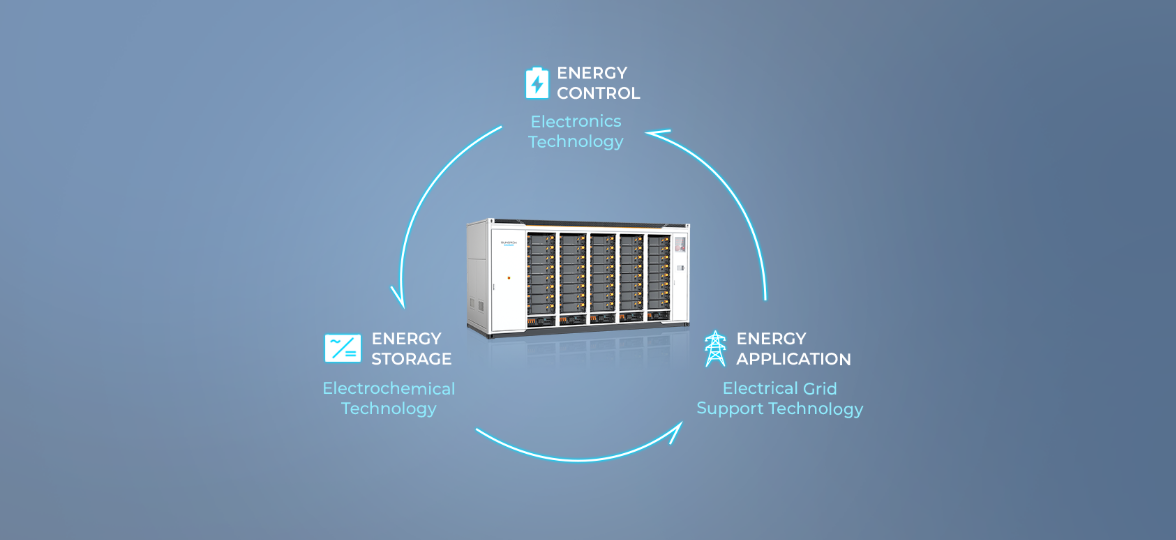
Forward-thinking manufacturers have responded with integrated safety architectures. Sungrow exemplifies this approach through its Triple-E Tech, which addresses risk at three fundamental levels. Electronics Technology makes energy storage safer and more efficient by preventing internal faults. Electrochemical Technology opens the battery-grid bidirectional channel while maintaining stable operation under stress. Electrical Grid Support Technology builds a grid-friendly ESS station that communicates seamlessly with utility controls. With over 100 GWh delivered globally, Sungrow’s Smart Block ESS demonstrates that high safety standards and large-scale deployment are not mutually exclusive.
A New Benchmark for Bankability
Post-fire events have permanently changed the risk landscape. Utility-scale battery storage projects must now present comprehensive safety cases to secure competitive insurance premiums.
Sungrow provides utility-scale energy storage systems engineered from the ground up for risk reduction. Its Triple-E Tech—integrating electronics, electrochemistry, and grid support—offers asset owners a clear path to lower insurance costs and greater long-term bankability. In a market defined by fire-related uncertainty, choosing proven safety technology is no longer optional; it is the only prudent investment.
