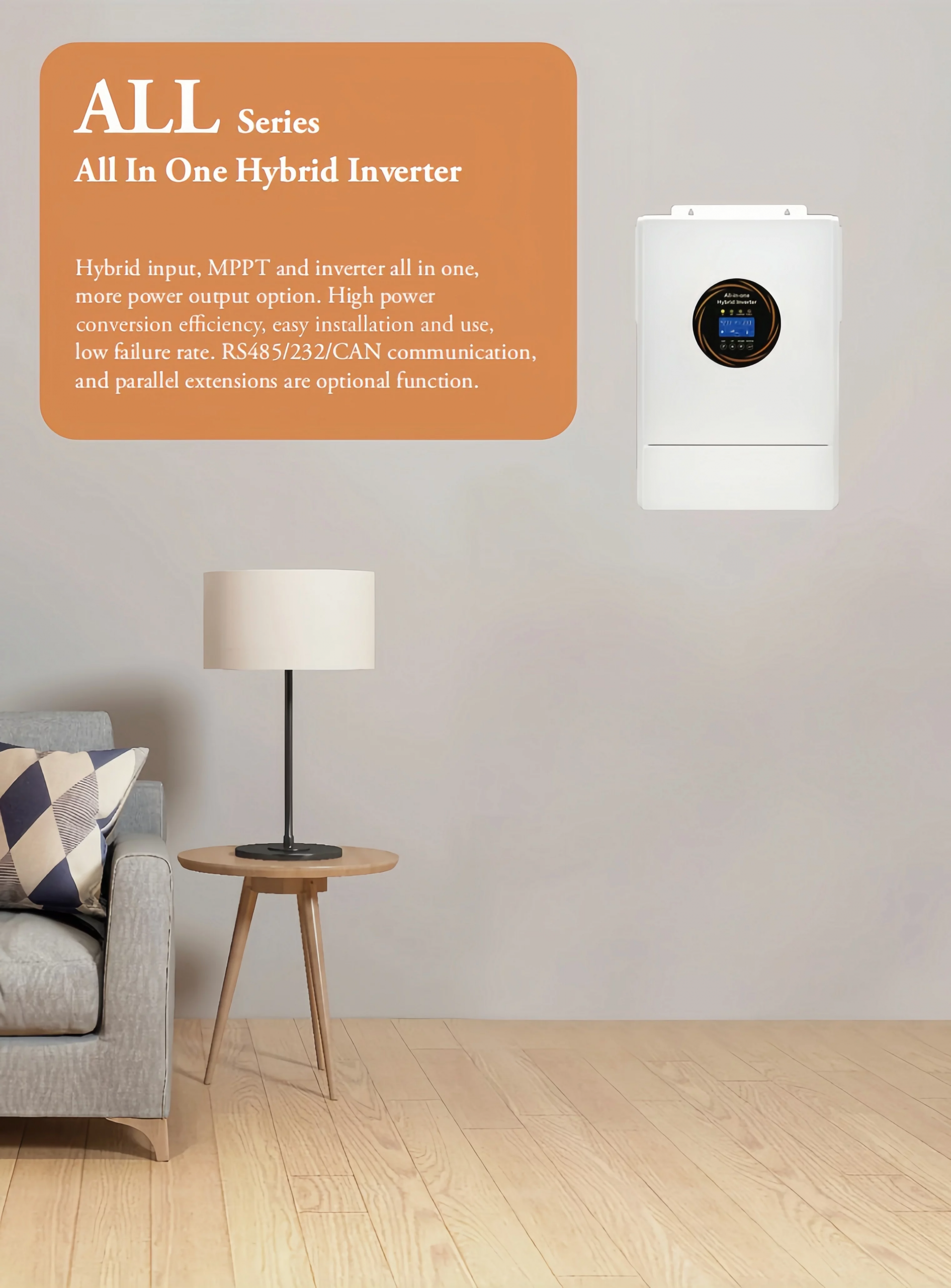
Homeowners and residential developers are increasingly exploring energy storage solutions to enhance reliability and optimize electricity consumption. A critical decision in this process is whether to deploy a solar hybrid inverter or a conventional inverter. Both options convert solar-generated DC electricity into usable AC power, but hybrid solar power inverters provide additional functionality, allowing users to store excess energy for later use while maintaining energy security during grid disruptions.
Understanding Key Differences and Capabilities
Standard inverters are designed primarily to convert electricity from solar panels into AC power for immediate consumption. While effective for day-time energy usage, they do not provide energy storage capabilities. In contrast, a solar hybrid inverter integrates the inverter and battery management system, enabling homes to store surplus solar energy efficiently. Hybrid solar power inverters utilize advanced architectures such as MPPT (Maximum Power Point Tracking) to maximize energy harvesting and minimize conversion losses. Businesses and distributors evaluating residential energy solutions should prioritize these features, as they directly influence long-term energy efficiency and customer satisfaction.
Financial and Operational Advantages
Deploying a hybrid solar power inverter offers both financial and operational benefits. By capturing excess energy during peak sunlight hours and storing it for nighttime or peak-rate periods, homeowners reduce dependency on the grid, lower electricity bills, and gain predictable energy costs. Standard inverters, while typically more affordable upfront, limit potential savings by relying entirely on grid power during non-generating periods. For manufacturers and retailers in the solar market, promoting hybrid solar power inverters highlights value-added benefits to clients, including energy independence, backup power during outages, and long-term return on investment.
Reliability and Energy Security
Energy security is a growing concern for homeowners, particularly in regions prone to blackouts or fluctuating electricity prices. Solar hybrid inverters provide continuous power availability by intelligently distributing stored energy to critical household loads. High-quality hybrid solar power inverters ensure that lighting, appliances, and essential systems operate uninterrupted, improving overall home resilience. This reliability makes hybrid solutions particularly appealing for B2B distributors who serve residential developers, property management companies, or homeowners seeking sustainable and secure energy solutions.
Strategic Supplier Insights: THOE’s Residential Energy Storage Solutions
THOE, a recognized solar energy manufacturer, offers residential energy storage systems designed to maximize both efficiency and reliability. Their hybrid solar power inverter solutions combine energy conversion, storage, and intelligent distribution into one integrated unit. By working with this company, B2B partners gain access to high-quality, durable solar hybrid inverters that enhance energy independence and ensure continuous electricity supply, even during grid outages. For businesses in the residential energy sector, partnering with a trusted manufacturer like this company ensures reliable product performance, consistent supply, and long-term customer satisfaction.
