For a robot to interact with the physical world safely and effectively, it needs a sense of touch, which is provided by arobotic tactile sensor. These sensors translate physical contact, pressure, and texture into data a machine can understand. Understanding the different types available is crucial for developers and integrators looking to build more capable and responsive systems. Companies like Daimon are at the forefront of advancing this technology, pushing the boundaries of what robots can perceive and handle.
Tactile Sensor Types for Robotics
The landscape of tactile sensing is diverse, with each technology suited to specific applications. Resistive sensors, often using conductive elastomers or force-sensitive resistors (FSRs), detect changes in electrical resistance under pressure, offering a cost-effective solution for basic contact detection. Capacitive sensors measure changes in capacitance caused by the proximity or touch of an object, providing high sensitivity and the ability to detect light touches. Piezoelectric sensors generate an electric charge in response to applied mechanical stress, making them excellent for measuring dynamic forces and vibrations. Optical sensors use light transmission within a deformable material; when the material is pressed, the light pattern changes, allowing for detailed mapping of force distribution. For a practical example of advanced tactile technology, one can examine the robotic tactile sensor solutions available on the market, which often combine these principles for richer data.
Daimon Robotic Sensor Technology
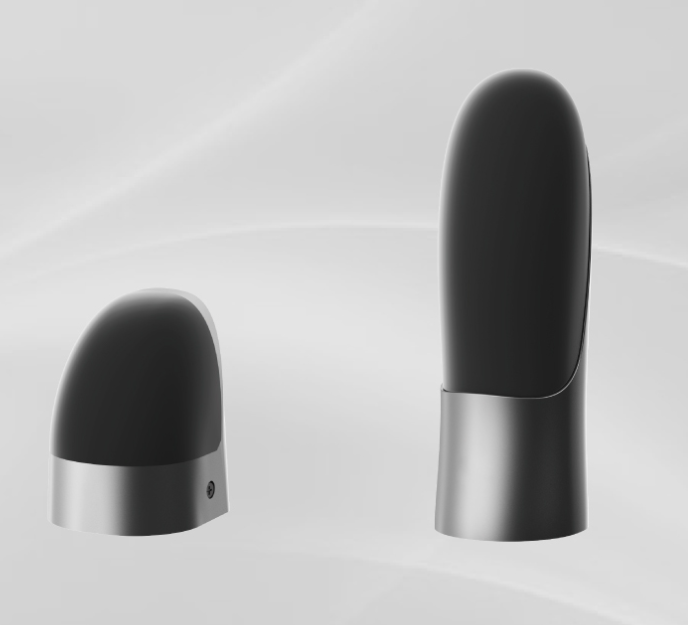
Daimon’s approach to tactile sensing focuses on high-fidelity data acquisition in a compact, integrated package. Their DM-Tac FM and DM-Tac FS sensors exemplify this, designed with a fingertip-scale form factor for deployment in confined spaces. These units integrate sensing for contact topography, 3D force, and deformation, covering the finger pad, side, and tip areas to give a comprehensive picture of interaction. With a sampling frequency of 30Hz and a USB2.0 communication interface, they provide real-time, actionable data for precise control. This technical execution allows Daimon to offer a sophisticated robot tactile sensor that supports complex robotic manipulation tasks, from delicate assembly to adaptive grasping, backed by their commitment to technical support and innovation.
Industrial and Consumer Tactile Applications
The application of tactile sensors bridges both industrial and consumer domains. In manufacturing and logistics, robots equipped with tactile feedback can perform precise part insertion, quality inspection by feel, and adaptive bin-picking of fragile or irregular items, reducing damage and increasing line flexibility. In the consumer and service sectors, this technology enables safer physical human-robot interaction, allowing assistive robots to hand over objects securely or providing prosthetics with a sense of touch. Furthermore, in fields like agriculture or healthcare, tactile sensors help robots handle delicate produce or provide physical therapy with measured, consistent force. The data from these sensors is also foundational for machine learning, allowing robots to learn from physical interactions and improve their performance over time.
Conclusion
From simple contact detection to complex 3D force mapping, the types of robot tactile sensors form a critical toolkit for modern robotics. Selecting the right sensor technology directly impacts a system’s ability to perform delicate, variable, or safety-critical tasks. As robots move into more unstructured environments, the demand for sophisticated tactile perception will only grow. For those integrating this essential capability, exploring the solutions from innovators like Daimon provides a pathway to more intelligent and responsive robotic systems.
