The rapid expansion of global e-commerce has placed immense pressure on fulfillment centers to manage diverse inventory profiles while maintaining high-speed fulfillment.. Standardized material handling setups often struggle to accommodate the unique spatial constraints and dynamic order volumes that define today’s supply chains. To address these individual challenges, enterprise operators are moving away from rigid, off-the-shelf automated solutions in favor of adaptable configurations. When exploring modern warehousing options, businesses frequently collaborate with leading automated warehouse robot companies to analyze their existing infrastructure and design tailored automation frameworks. This collaborative process allows organizations to optimize space utilization, safeguard fragile inventory, and achieve operational resilience without undergoing disruptive facility redesigns. By prioritizing custom-engineered material handling equipment, enterprises can establish an agile distribution model that easily scales alongside changing market demands over the long term.
Tailoring Robotic Hardware to Irregular Spatial Layouts
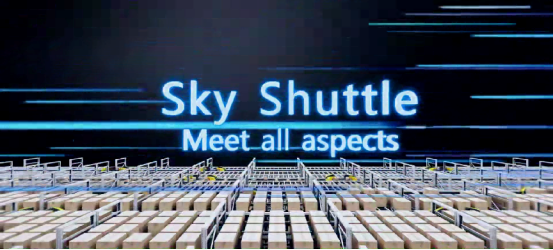
One of the primary concerns for logistics managers seeking automation is whether modern machinery can integrate seamlessly into pre-existing warehouse structures containing structural columns, uneven floors, or restrictive ceiling heights. Fortunately, leading automation providers have demonstrated that automated hardware can be modified extensively to navigate irregular warehouse footprints and architectural barriers. For instance, rather than relying on standard vertical lifts that require permanent floor modifications, modern logistics developers have introduced overhead rail systems where Sky-Shuttle robots travel along elevated rails to retrieve individual totes from heights ranging from ground level up to twenty meters. This specific approach to robotic case picking reduces the need for traditional vertical lifting equipment, allowing companies to fully utilize previously inaccessible vertical areas above active walkways and machinery lanes. Furthermore, they can construct customized curves and branching paths along these elevated tracks, ensuring that the robotic vehicles bypass internal architectural obstacles while maintaining high throughput speeds. This level of physical flexibility ensures that automated material handling systems function effectively in legacy facilities, minimizing the upfront capital expenses associated with building brand-new distribution centers.
Adapting Carrier Configurations to Diverse Inventory Dimensions
Beyond spatial layout limitations, the physical dimensions and structural integrity of the handled products themselves demand customized engineering to prevent damage and optimize storage density. Modern robotic carriers can be customized to support a wide range of case sizes, plastic totes, and modular cardboard boxes. For example, material handling innovators design telescopic shuttle mechanisms with adjustable forks that automatically expand or contract to match the specific width and length of each unique container. Additionally, specialized robotic shuttle configurations can be developed to handle multiple items simultaneously, such as stacked case vehicles that retrieve several shallow bins in a single pass to maximize operational efficiency.
Aligning Orchestration Software with Specific Enterprise Workflows
The physical adaptability of warehouse robotics is only effective when supported by a control layer that respects the unique operational nuances of the facility. To ensure that custom hardware configurations achieve their full potential, BlueSword tailors its routing logic to align with specific business workflows rather than enforcing rigid, one-size-fits-all processes. This means that the system is optimized to handle the unique picking sequences, specific zone priorities, and complex sorting requirements that define an enterprise’s individual operational model. By configuring the software to interact seamlessly with custom-engineered carriers and specialized spatial layouts, the platform transforms the warehouse into a synchronized environment where every movement is intentional and goal-oriented. This deep level of workflow integration ensures that the material handling system does not just process inventory, but actively executes the specific business strategies of the organization, providing the agility required to respond to changing market demands with precision and speed.
Formulating Flexible Commercial Frameworks for System Integration
Implementing customized robotic systems historically required massive capital investments, which frequently prevented growing enterprises from upgrading their legacy distribution networks. To resolve these economic challenges, modern technology providers offer highly flexible commercial structures that allow businesses to lease advanced automated hardware and software instead of purchasing them outright. Through these subscription-based models, organizations can dynamically scale their robotic fleets up or down in response to seasonal volume fluctuations, such as peak holiday shopping periods. Moreover, they can supply dedicated on-site engineering support teams to oversee daily maintenance, ensuring high system reliability while allowing the client to focus entirely on core business activities. Backed by global subsidiaries and highly responsive after-sales service networks, this cooperative service-oriented approach helps enterprises reduce operational risks and accelerate their return on investment. By combining customizable robotic hardware, adaptable software platforms, and flexible financial models, logistics innovators help companies build resilient supply chains. These solutions enable businesses to respond faster to market changes and future operational challenges.
