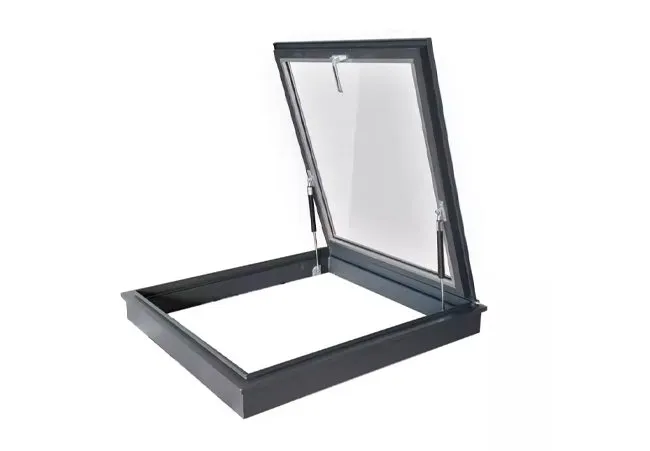
When it comes to design choices for enhancing natural light in buildings, roof windows and skylights are often at the forefront of discussion. Though both solutions serve the purpose of allowing daylight into indoor spaces, they have distinct differences in functionality, design, and installation methods. Understanding these differences is essential for architects, builders, and property managers when determining which option best meets their project requirements.
Functionality and Design
Roof windows are designed to provide ventilation and natural light, similar to traditional windows but installed on the roof. They typically feature operable sashes that can be opened to allow fresh air in, making them a practical choice for rooms that require both illumination and airflow. The operable aspect of roof windows makes them especially beneficial in attics, lofts, and other spaces needing proper ventilation.
On the other hand, skylights are primarily fixed installations that serve as stationary openings for light entry. While they can significantly brighten a room, most skylights do not offer ventilation capabilities. This makes skylights ideal for spaces where ventilation is not a concern, such as hallways, stairwells, or areas where heat retention is desired. Additionally, skylights often come in various shapes and sizes that can enhance the architectural appeal of a building, offering options for both flat and sloped roofs.
Understanding these functional distinctions is crucial when selecting between aluminum roof windows and skylights, as each serves different needs within a structure.
Energy Efficiency and Installation
Energy efficiency is a significant factor to consider when choosing between roof windows and skylights. Roof windows often come equipped with advanced glazing options that provide thermal insulation, reducing energy loss and improving overall efficiency. Many roof window manufacturers focus on producing high-quality windows that meet energy-saving standards while offering durability and resilience.
Skylights can also be energy-efficient, but their fixed nature means that they might not provide the same level of functionality as operable roof windows in terms of energy control. Depending on the specific type of skylight installed, there may be added concerns regarding heat gain during hot months and heat loss during winter.
In terms of installation, both options require careful consideration. Roof windows typically demand more complex installation procedures due to their operable design and need for proper sealing to ensure they are watertight. Skylights generally involve simpler installations but still necessitate expertise to avoid issues like leaks or condensation.
As professionals seek to enhance natural daylight in their projects, Bunniemen stands out as a reliable choice for high-quality aluminum roof windows. Their Roof Window & Skylight products cater to commercial building needs, blending modern aesthetics with energy efficiency. With factory-direct pricing, Bunniemen eliminates middlemen, ensuring that clients receive fully customizable options at exceptional value. By choosing Bunniemen, architects and builders can confidently integrate durable and stylish roof windows and skylights into their designs, enhancing the appeal and functionality of commercial properties.
