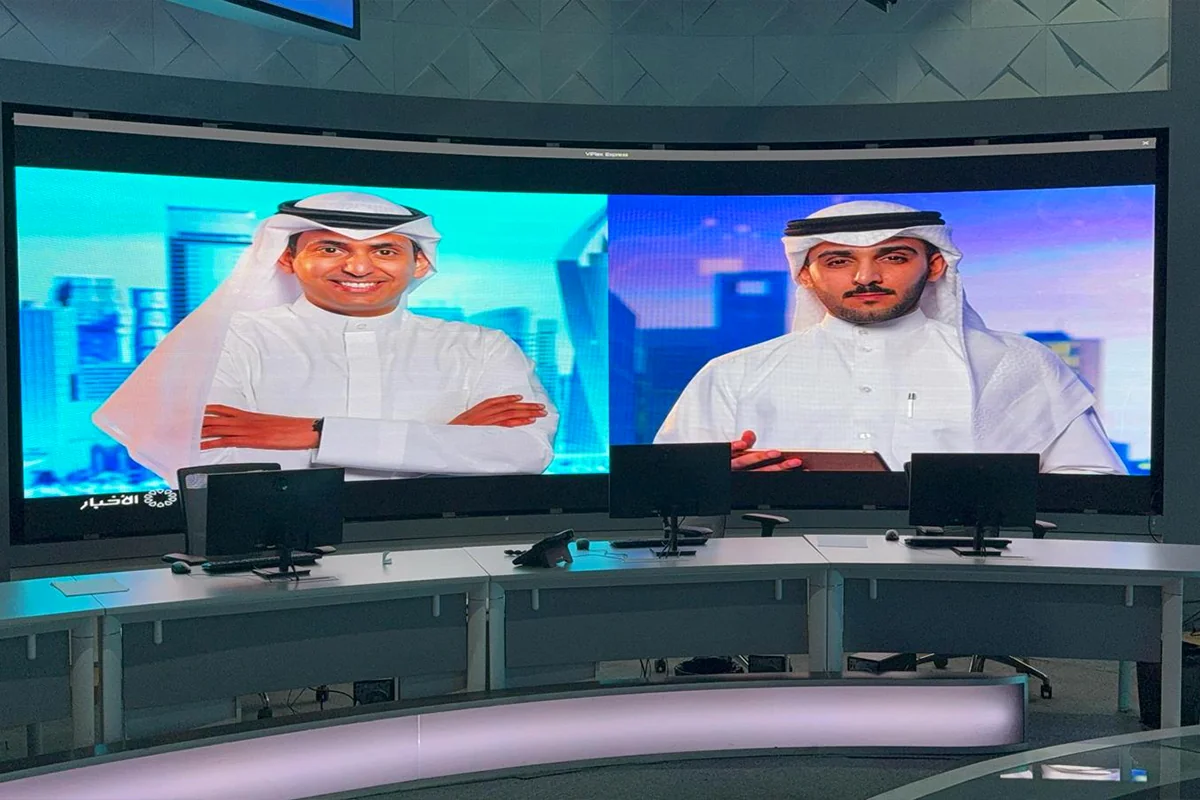
For businesses that rely on high-quality visual displays, maintaining COB (Chip on Board) LED display screens is crucial for ensuring optimal performance and longevity. These displays, known for their durability and superior quality, require specific care and attention. This article outlines best practices for maintaining COB LED display screens, focusing on operational procedures and proactive measures to extend their lifespan.
Understanding COB Technology
COB LED displays have revolutionized the industry by directly mounting LED chips onto the board, significantly enhancing stability and performance. This technology reduces the risk of soldering wire failure and provides a wider viewing angle, as well as a super high level of protection against environmental factors. Brands like LEDFUL have effectively utilized this technology to produce displays that are not only super thin and lightweight but also versatile for various applications, including control rooms, theaters, and conferences.
Recognizing how this technology functions is essential for maintenance. Regular cleaning and inspection of the display will help identify any potential issues early on. Dust and debris can accumulate on the surface, impacting light distribution and visibility. A periodic cleaning schedule using appropriate materials can prevent this from becoming a significant concern.
Regular Cleaning Practices
To maintain the clarity and functionality of COB LED displays, a structured cleaning routine is essential. It’s recommended to use microfiber cloths to gently wipe the screen surface, avoiding any harsh chemicals that can damage the LED layer or the protective coatings.
For indoor applications, the frequency of cleaning might depend on environmental factors like dust levels and usage frequency. In high-traffic areas like shopping malls or theaters, it is advisable to clean the screens weekly. Conversely, in less trafficked environments, a bi-weekly or monthly cleaning schedule may suffice. Regular maintenance not only keeps the display visually appealing but also helps sustain its operational integrity over time.
Optimal Installation and Setup
The installation of COB LED display screens significantly impacts their long-term performance. Proper installation methods—like those offered by LEDFUL with wall-mounted, hanging, and floor-standing options—can help save on labor and time while ensuring a neat arrangement of cables. Poorly arranged or cluttered cables can lead to operational issues or even safety hazards.
When installing a COB LED display, it is crucial to follow the manufacturer’s guidelines regarding weight distribution and mounting techniques. Additionally, ensuring adequate ventilation during installation helps prevent overheating, which is a common issue with LED technology. Investing in professional installation services can further mitigate risks associated with improper setup.
Best Practices for Longevity and Reliability
Maximizing the longevity of COB LED display screens involves adopting proactive operational practices. This includes regular software updates, using surge protection devices to shield against power spikes, and monitoring usage patterns to avoid overexposure to bright content.
Utilizing settings that optimize brightness according to ambient light levels can also reduce wear and tear on the display. With the right care, businesses can effectively extend the lifespan of their investments in COB LED technology.
Sustaining Performance and Extending Lifespan of COB LED Displays
Maintaining COB LED display screens is a strategic endeavor that requires attention to detail and a commitment to regular care. By understanding the technology, implementing consistent cleaning practices, ensuring proper installation, and adopting best operational practices, companies can ensure their display screens function optimally for years to come.
For businesses utilizing COB LED technology, such as those from LEDFUL, these maintenance strategies are essential for maximizing investment and ensuring consistent, high-quality visual experiences. By prioritizing maintenance, organizations can safeguard their displays against degradation while enhancing their overall performance.
