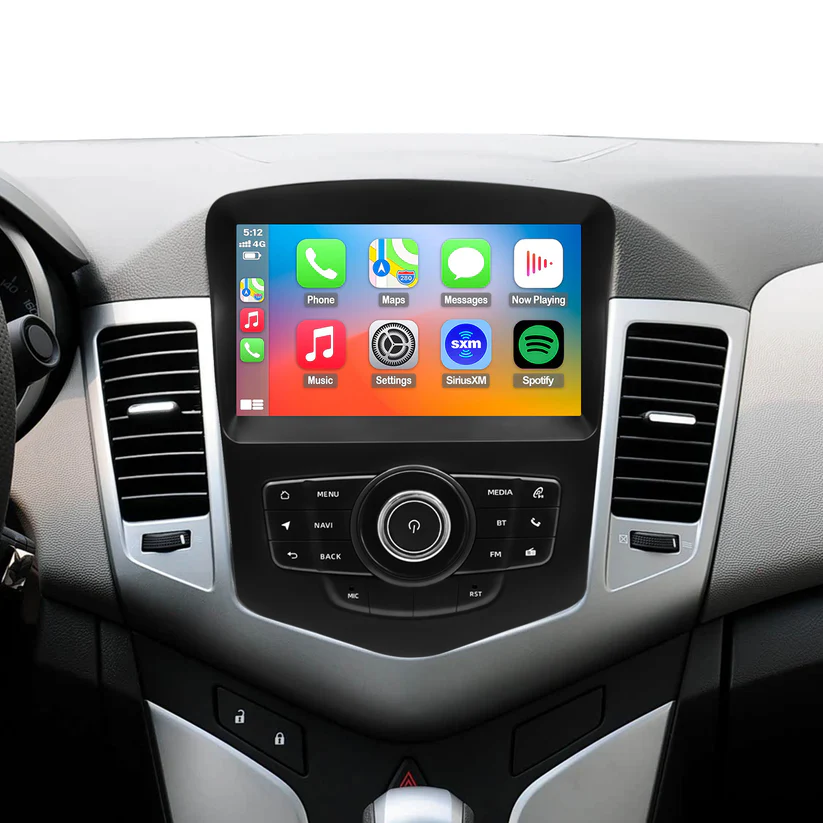
The Chevrolet brand is synonymous with durability, power, and a long-standing heritage of American automotive engineering. Whether it is a rugged Silverado navigating a construction site or a Tahoe transporting a family across state lines, these vehicles are built to last. However, while the mechanical components of a Chevy often outlast the competition, the in-car technology can begin to feel dated within just a few years. This technological gap has led a growing number of owners and fleet managers to seek a high-quality Chevrolet stereo upgrade to modernize the driving experience.
When upgrading the infotainment system, one of the most significant decisions involves the physical layout of the display. Modern aftermarket solutions have moved far beyond the basic single-DIN or double-DIN units of the past. Today, the market is divided between two primary philosophies: the large vertical “Tesla-style” screen and the more traditional horizontal “OEM+” small-screen solution. Choosing the right one requires a balance of aesthetic preference, functional necessity, and technical compatibility.
The Rise of the Large-Format Vertical Chevrolet Stereo
For many owners of the Silverado, Tahoe, or Suburban (particularly models from 2014 to 2018), the vertical screen has become the upgrade of choice. These units, often measuring 10.2 inches or larger, completely redefine the dashboard’s architecture. By adopting a portrait orientation, these screens offer a unique “command center” feel that mimics high-end electric vehicles.
The primary advantage of a large vertical Chevrolet stereo is the expanded real-time data display. In a vertical layout, navigation apps like Google Maps or Waze can show significantly more of the road ahead, which is a major benefit for long-distance commuters and professional drivers. Furthermore, these units often utilize a “split-screen” capability that allows the driver to manage climate controls on the bottom half of the screen while maintaining a full navigation view on the top. Professional manufacturers like Topdisplay specialize in these large-format units, ensuring that the software is optimized for such high-resolution displays without stretching or distorting the interface.
The Practicality of Horizontal Small-Screen Solutions
While the vertical screen offers a “wow” factor, the smaller horizontal screen (typically 9 to 10.1 inches) remains a powerful contender for those who prefer a more integrated, factory-fresh look. These units are often referred to as “OEM+” because they enhance the vehicle’s capabilities while maintaining the original design language of the Chevrolet interior.
A horizontal Chevrolet radio is often easier to navigate for drivers who prefer physical proximity to the dashboard’s existing controls. These units are typically installed higher up in the line of sight, which can reduce the time a driver spends looking away from the road. For B2B clients and fleet operators, these smaller screens are often the preferred choice because they offer a lower price point while still providing the essential 8-core processing power and 4G LTE connectivity required for modern logistics management.
Technical Performance Standards for a Modern Chevrolet Radio
Display technology is another key factor when evaluating a modern Chevrolet radio. High-end models now adopt QLED (Quantum Dot LED) display technology, which offers stronger brightness, vivid color reproduction, and improved clarity compared with traditional screens. This feature is particularly beneficial for Chevrolet trucks and SUVs, which often have spacious cabins and large windows that allow more sunlight to enter the interior. A high-brightness QLED screen helps keep navigation maps, media interfaces, and vehicle information clearly visible even under strong daylight conditions. Many Chevrolet stereo solutions offered by Topdisplay are designed with large HD displays that maintain clear visuals and stable touch performance, ensuring a reliable infotainment experience whether drivers choose a compact screen upgrade or a larger display system.
Integrating a Topdisplay Solution into the Chevrolet Ecosystem
The hallmark of a professional-grade upgrade is how well it integrates with the vehicle’s original systems. Chevrolet vehicles utilize complex CANBUS communication networks to manage everything from steering wheel controls to chime alerts and climate settings. A generic aftermarket head unit often loses these features, leading to a frustrated user experience.
However, a vehicle-specific Chevrolet stereo from a manufacturer like Topdisplay is designed to be truly plug-and-play. These units come with a custom wiring harness that matches the factory plugs exactly. This ensures that the driver retains:
Steering Wheel Controls: The ability to change volume and tracks without taking hands off the wheel.
Original Camera Integration: Support for the factory backup camera, allowing the driver to maintain clear rear visibility when reversing.
Audio Quality: Optimized system tuning that delivers balanced sound performance suited to the acoustics of the Chevrolet cabin.
Choosing Based on the Vehicle Model
The choice between large and small screens often comes down to the specific Chevrolet model being upgraded. For example, the 2014-2018 Chevrolet Silverado is well suited for a 10.2-inch vertical screen because the dashboard has the physical vertical clearance to accommodate it. In contrast, older models or smaller vehicles like the Chevrolet Colorado may benefit more from a 9-inch or 10.1-inch horizontal unit that fits snugly within the existing trim without obstructing air vents.
For businesses looking to supply these products, it is important to offer both options. The vertical screen appeals to the “enthusiast” market—those looking to make a bold statement with their vehicle’s interior. The horizontal screen appeals to the “practical” market—owners who want modern features like wireless CarPlay, Android Auto, and 4G connectivity without fundamentally changing the look of their dash.
Conclusion: Making the Final Decision
Ultimately, choosing between a large screen or a small screen for a Chevrolet upgrade depends on the primary use case of the vehicle. If the vehicle is used for long-haul towing or as a high-tech mobile office, the 10.2-inch vertical screen offers unparalleled utility and visual real estate. If the goal is a clean, reliable upgrade that brings an older vehicle into the modern era of connectivity, a 10.1-inch horizontal unit is a superb choice.
By selecting a reputable manufacturer like Topdisplay, users and wholesalers alike are guaranteed a product built on a foundation of 8-core stability, QLED clarity, and seamless CANBUS integration. Modernizing a Chevrolet radio is no longer just about adding a screen; it is about enhancing the safety, convenience, and resale value of the vehicle for the years to come. Regardless of the size, the transition to an Android-based system ensures that the heartbeat of the American road remains connected to the digital world.
